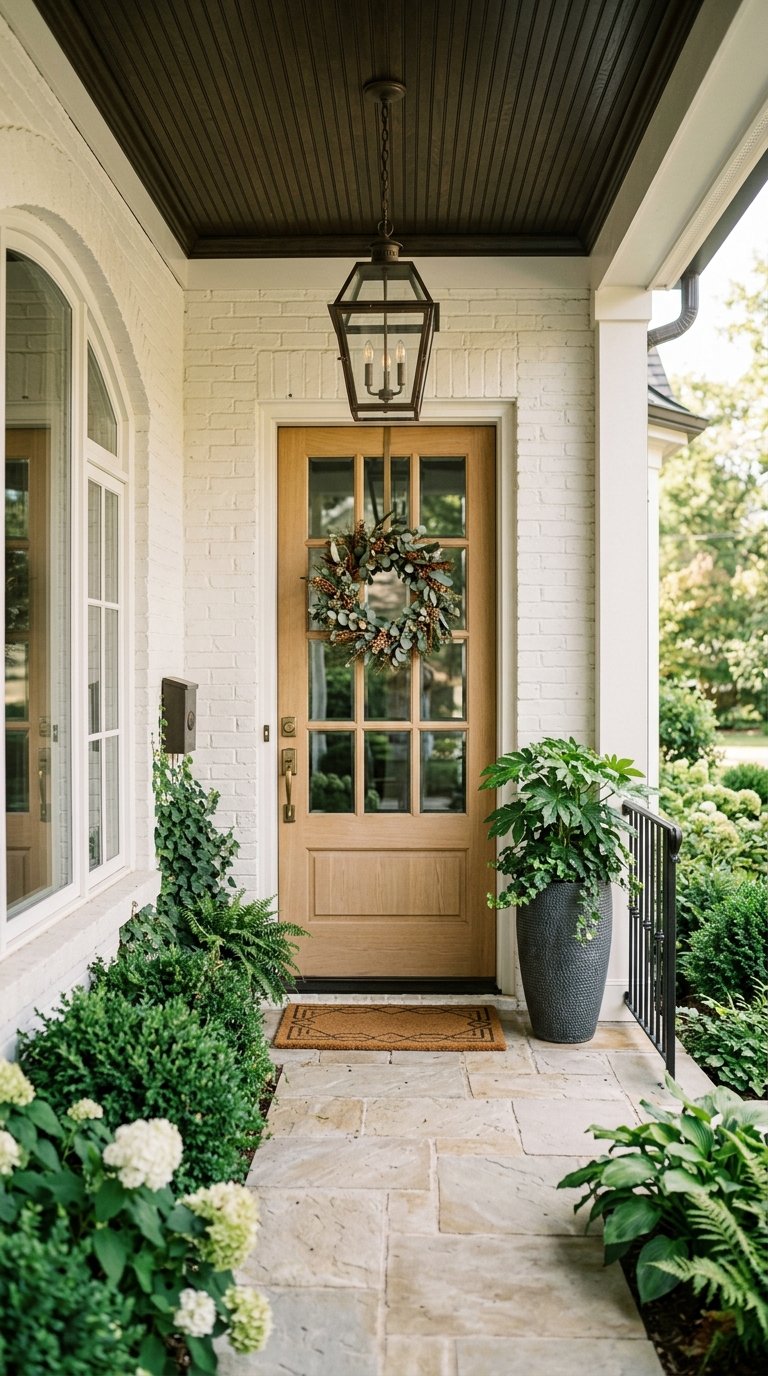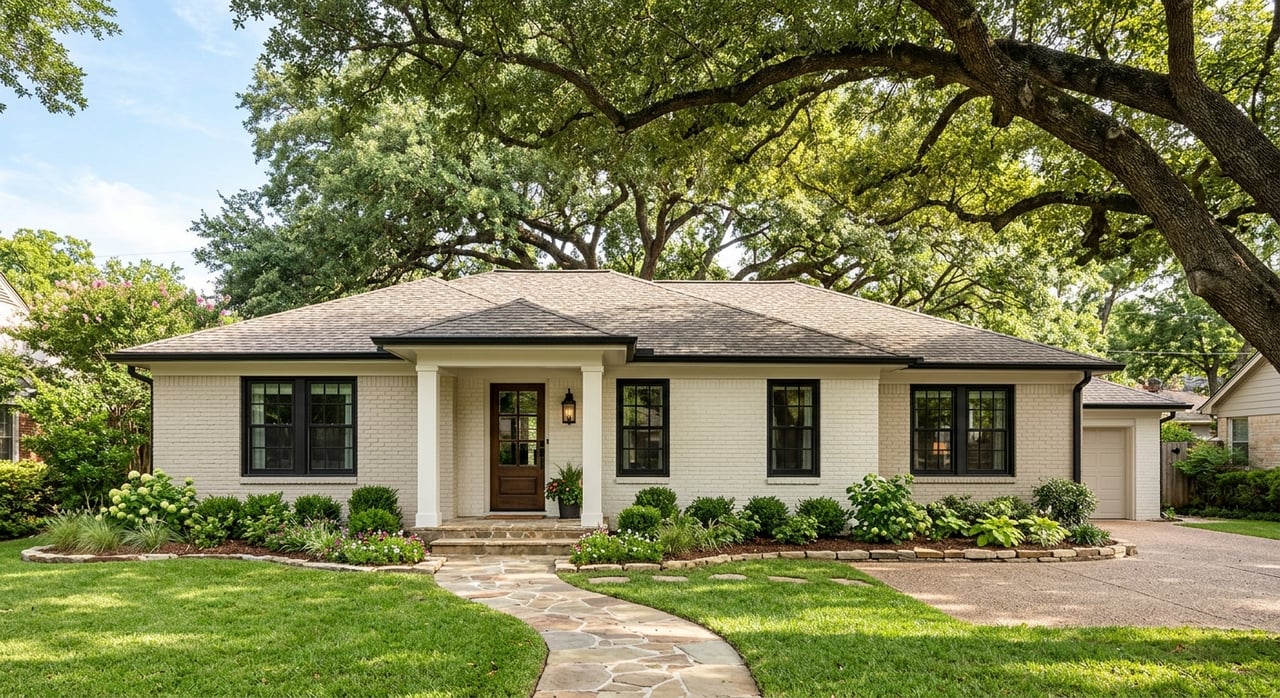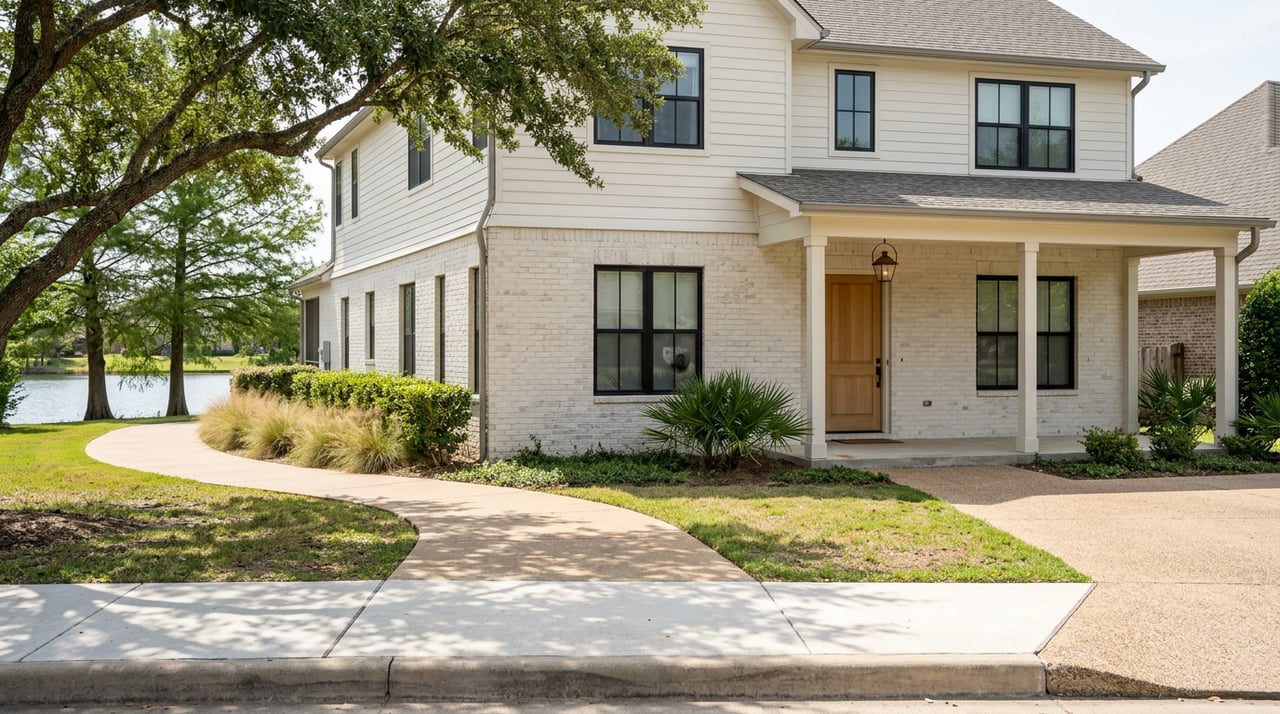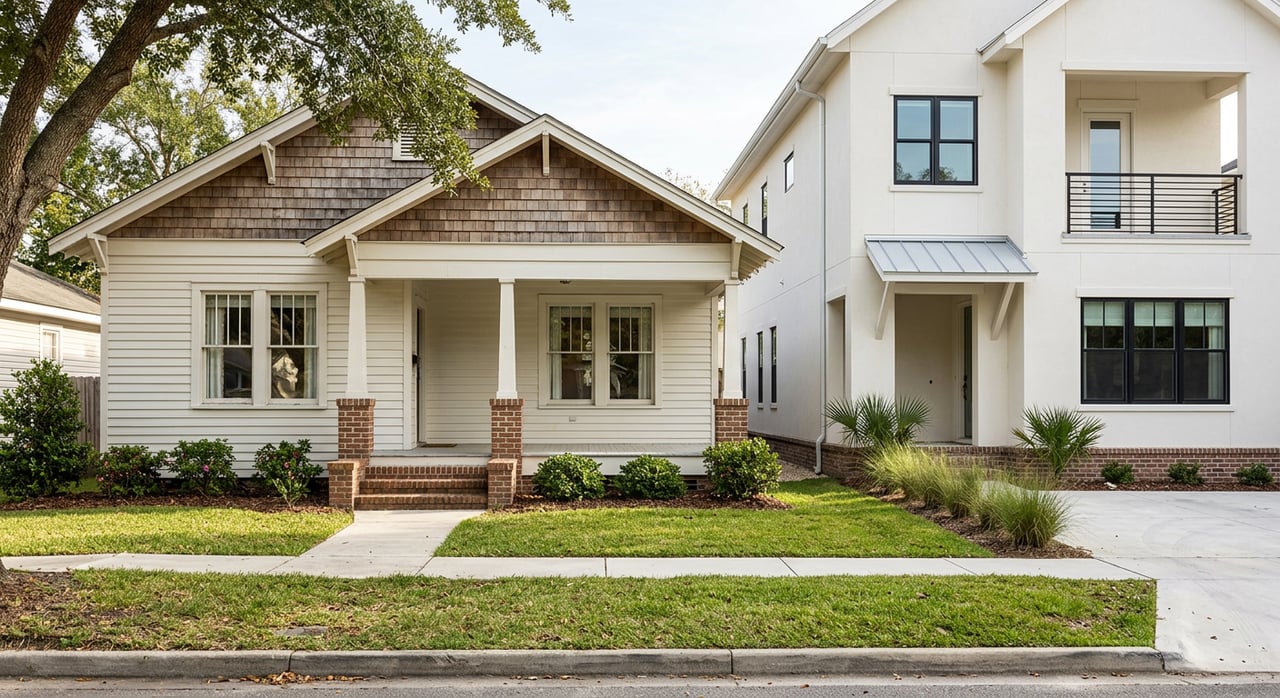
Love the porch charm of a Heights bungalow, but tempted by the clean lines and low‑maintenance appeal of a new build? You are not alone. Many inner‑loop professionals and downsizers face this exact choice. In this guide, you will learn the real differences in architecture, lot patterns, systems, inspections, and upkeep so you can choose with confidence. Let’s dive in.
Why Heights context matters
The Heights is one of Houston’s most historic neighborhoods, and parts of it are protected by three City‑designated historic districts: Houston Heights East, West, and South. The City’s Houston Heights Historic District Design Guidelines outline what changes are allowed to homes inside these districts and list “contributing” properties for preservation purposes. Before you plan a renovation or addition, check whether a home sits inside a designated district and review the City of Houston Heights design guidelines.
If you want a deeper history and district context, the City’s preservation pages provide helpful overviews of the Heights’ development and historic character. You can explore the Houston Heights history and district pages to get oriented.
Historic bungalow traits to expect
Architecture and curb appeal
Most historic Heights homes are Craftsman bungalows, Queen Anne cottages, or Folk Victorian/Folk National styles built roughly 1900 to 1930. Expect prominent front porches, low‑pitched gabled roofs, and grouped windows that frame the street. These features are part of what makes the Heights feel distinct and are emphasized in the City design guidelines.
Lots and block patterns
Original Heights lots often measure about 50 feet by 132 feet. Some blocks include narrower 33‑foot lots or combined parcels. Historically, garages sit at the rear with alley access, which can shape your parking and garage plans. This pattern is worth noting if you plan a future addition or accessory structure.
Structure and materials
Many bungalows use wood siding over pier‑and‑beam foundations with raised front porches. That design offers character and easier access for repairs, but it brings specific maintenance tasks. Expect crawlspace ventilation needs, wood repair, and regular painting to protect trim and siding. The City’s guidelines stress preserving porch detailing and original façades.
New construction traits to expect
Form and daily living
Today’s infill homes in and near the Heights often rise two to three stories on narrow or stitched lots. Builders maximize interior space vertically, which can shift the street feel compared with one‑story bungalows. Inside, you will typically find open‑plan living, higher ceilings, and larger kitchens that flow into great rooms.
Modern finishes and systems
Exterior packages commonly include brick, fiber‑cement, or stucco. Interiors often feature engineered hardwood or luxury vinyl plank on the first floor, quartz counters, large islands, stainless appliances, and porcelain tile in baths. These align with current national buyer preferences highlighted by NAHB’s 2024 design trends. New builds usually come with modern HVAC, improved insulation, and sealed ductwork, which can lower energy use and early maintenance risk.
Foundations and soils
In the inner loop, many new homes use slab or engineered foundations. Houston’s expansive clays can move with moisture changes, affecting both old and new foundations. Ask for any geotechnical reports and foundation warranties and review them carefully. For background on local soils, see the University of Texas’ research on expansive soils in the Houston area.
Systems and maintenance: key differences
What to expect with historic bungalows
- Foundations and crawlspaces. Pier‑and‑beam systems can show uneven floors, deteriorated piers, or moisture concerns. If floors slope or doors stick, you may want a structural engineer’s review. The City’s guidelines note common porch and foundation patterns that inform repairs.
- Exterior wood care. Original siding and millwork need periodic painting and selective wood replacement. Plan for a paint cycle roughly every 5 to 15 years depending on exposure and condition.
- Termite vigilance. Houston faces high termite pressure, including the aggressive Formosan species. Annual inspections and a transferable bond are common for older wood homes. Learn more from Texas A&M’s overview of Formosan subterranean termites.
- Plumbing lifespan. Older homes may still have cast‑iron or galvanized drains. Cast iron corrodes over decades and can require partial or full replacement. A sewer‑scope camera inspection can reveal hidden issues.
- Electrical safety. Some homes retain knob‑and‑tube or other legacy wiring that can raise insurance or safety concerns. An electrician should evaluate the service panel and visible wiring. See InterNACHI’s guidance on older electrical systems and safety checks.
- Lead and asbestos risk. Homes built before 1978 may contain lead‑based paint, and some materials can include asbestos. Follow EPA guidance for safe work practices and testing. Review the EPA’s “Protect Your Family from Lead in Your Home” lead safety guidance.
What to expect with new construction
- Energy and comfort. Newer HVAC, better insulation, and sealed ducts typically reduce near‑term repairs and can lower energy use compared with older systems.
- Modern plumbing and wiring. New builds usually have PEX or copper plumbing and modern wiring to code, which reduces the risk of immediate large‑ticket system replacements.
- Still verify quality. New does not guarantee perfect. Confirm permits, city inspections, and builder warranties. The City’s permitting overview is a helpful reference when you request documentation. Review this City of Houston residential permitting overview.
Tour smarter: quick checklist
Use this simple pre‑offer scan to spot red flags and ask informed questions.
- Walk the perimeter. Check grading, gutters, and downspouts to confirm water moves away from the foundation. Note roof age and condition if known.
- Porch and floors. On older homes, feel for sagging or bouncy porches and sloped floors inside. Note sticking doors or windows.
- Look for moisture or wood damage. Watch for bubbling paint, discoloration, soft trim, or termite wings near windows.
- Glance at the electrical panel. Breakers instead of fuses is a good sign. If you suspect older systems, plan for a licensed electrician’s review. Check InterNACHI’s quick electrical safety references.
- Ask for dates and docs. Roof, HVAC, water heater, and any foundation repairs. Request invoices and permits. Also request the Texas Real Estate Commission’s Seller’s Disclosure Notice early in the process.
Inspection priorities to include
For your option period, line up the right specialists and get written estimates for any recommended work.
- General home inspection. Use a licensed inspector who follows TREC standards.
- Termite inspection (WDI). Common in Houston. Ask about prior treatments and whether the warranty transfers. Review Texas A&M’s page on Formosan termites.
- Sewer‑scope camera. Valuable for older homes or when you notice slow drains.
- Licensed electrician. Essential if any legacy wiring or vintage panels appear. See InterNACHI’s electrical guidance.
- Structural engineer. Consider this if you see floor sag, settlement, or reported foundation work. The UT research on expansive soils explains why this matters in Houston.
- Lead testing. For pre‑1978 homes where paint will be disturbed, follow EPA RRP program basics.
Renovations, permits, and districts
If the home sits inside one of the Heights historic districts, the City’s guidelines shape what you can change on the exterior, especially at the front façade and porch. Always confirm whether a property is inside a district and review the Heights design guidelines before you draft plans. For new builds and major remodels, verify that permits were pulled and inspections completed. Use the City’s residential permitting overview as a reference when you request records.
Flood maps and due diligence
Harris County and FEMA continue to update flood‑map data, which can affect insurance and due diligence for any Heights home. Stay aware of recent activity and confirm current FIRMs and local mapping tools for any address you consider. See this summary of draft FEMA flood‑map data and next steps and then verify the latest maps during your contract period.
Which home fits your goals
Downsizers who want single‑story living
Bungalows often deliver a single‑level layout and a usable yard. You trade some modern room sizes for classic character. Plan a healthy budget for ongoing maintenance like painting, termite protection, and potential plumbing or electrical updates. The City’s guidelines reflect why preserving front porches and façades often takes priority.
Inner‑loop professionals who want turn‑key
New construction typically offers open layouts, modern systems, and lower near‑term maintenance. You may gain more interior space while giving up some street‑level bungalow charm. Confirm builder warranties, permits, and inspection records so you know your protections are solid.
Budgeting and negotiation tips
Historic bungalow considerations:
- Build in a buffer for electrical updates if older wiring is present.
- Price a sewer‑scope and potential cast‑iron section replacement if the home predates modern drains.
- Plan for paint and carpentry work on exteriors. Get termite bids and bond details.
- If floors slope or piers look tired, include a structural evaluation and potential repair allowance.
New construction considerations:
- Request geotechnical summaries and foundation warranty terms. Ask what measures address expansive soils.
- Negotiate independent inspections at key phases, including pre‑drywall and final punch list.
- Verify all permits and passed inspections via the City’s permitting overview.
- Clarify completion timelines and acceptance standards in writing.
Lot and access details to review
- Alley use and garage placement. Many historic blocks have rear garages. Confirm access conditions and any shared drive considerations.
- Setbacks and additions. In historic districts, exterior changes at the front façade are closely guided by the City’s rules. Check the Heights design guidelines before designing additions.
- Drainage patterns. Walk the lot after rain if possible, and use inspection findings to plan any grading or gutter improvements.
The bottom line
Both paths can be great fits in the Heights. If you love authentic porch character and single‑level living, a historic bungalow may be your sweet spot with a bit more hands‑on care. If you want a lock‑and‑leave feel with modern systems and open living, a new build likely delivers. Either way, the best decision pairs a clear wishlist with thorough inspections and smart due diligence.
If you are weighing specific homes, I am here to help you compare pros and cons, estimate repair ranges, and confirm permits and warranties. Schedule a free consultation with Lauren Patton to map your best move in the Heights.
FAQs
What changes are allowed on a historic Heights home?
- If a property sits in a City‑designated Heights historic district, exterior work at the front façade and porch must follow the City’s Heights design guidelines, so confirm district status and rules before planning renovations.
Are termite inspections necessary for Heights bungalows?
- Yes, Houston has high termite pressure, including Formosan termites, so a WDI inspection and a transferable bond are common safeguards; learn more from Texas A&M’s Formosan termite resource.
How do Houston’s soils affect new and old foundations in the Heights?
- Expansive clays can move with moisture changes and affect pier‑and‑beam and slab foundations; review the UT research on expansive soils and request geotech reports or foundation warranties on newer builds.
Is a sewer‑scope worth it for an older Heights home?
- Yes, cast‑iron drains can corrode over time, so a camera scope can reveal unseen issues and help you budget for partial or full replacements where needed.
What permits and records should I verify on a new Heights build?
- Confirm city permits, passed inspections, and builder warranties, and consider independent inspections at key phases; use the City’s residential permitting overview as a reference when requesting documentation.
Do changing flood maps affect buying in the Heights?
- Draft FEMA and local flood‑map updates can change insurance and risk assessments, so review the latest data and verify current FIRMs during your option period; see this summary of recent flood‑map activity.