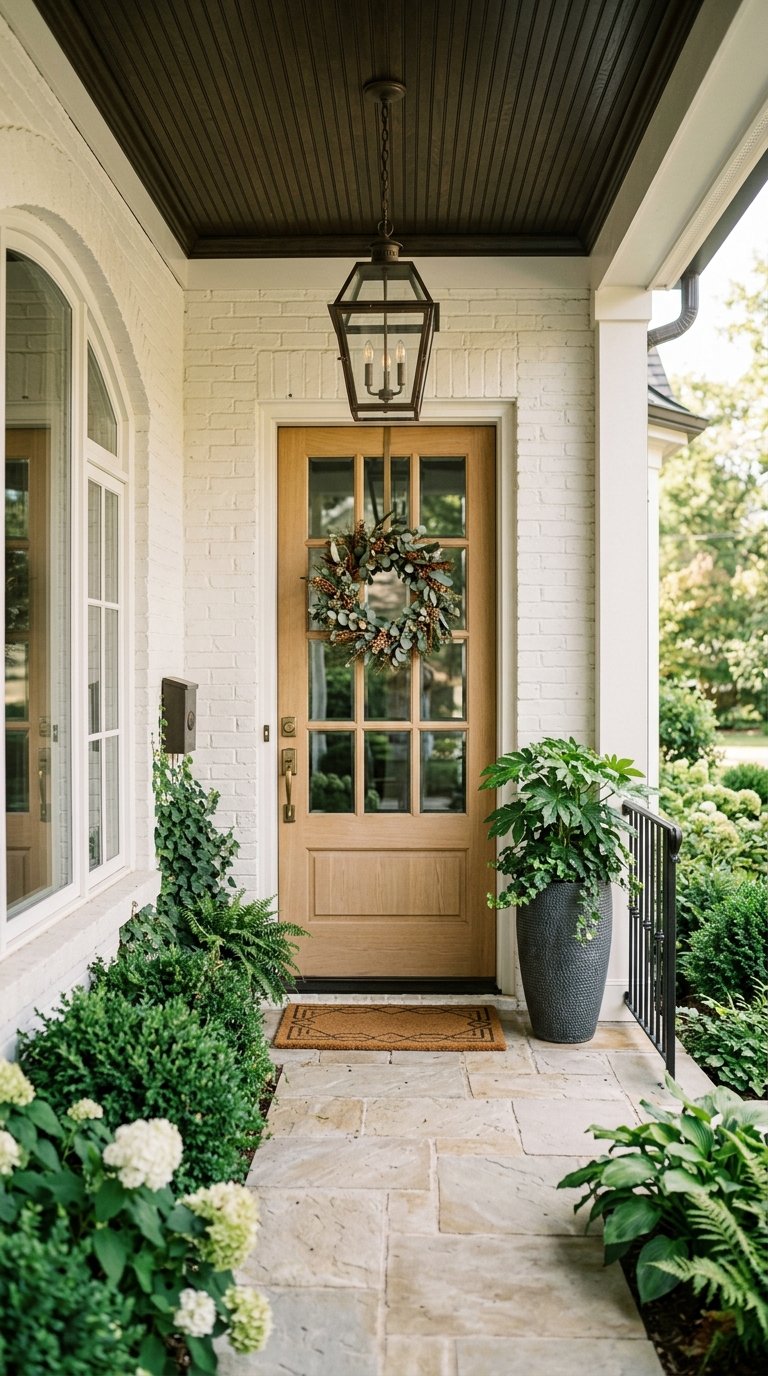
If you are thinking about selling in Memorial, you may be wondering whether homes are still moving quickly or if buyers have become more selective. The short answer is yes to both. Memorial remains a strong market, but it is not one single story, and your results will depend heavily on your specific pocket, price point, and presentation. This guide will help you understand what Memorial sellers should expect today and how to prepare for a stronger launch. Let’s dive in.
Memorial Is a Market of Submarkets
One of the biggest mistakes sellers make is relying on one broad Memorial headline. In reality, Memorial includes several submarkets that can behave very differently in terms of pricing, inventory, and buyer pace.
According to Realtor.com’s Memorial overview, broad Memorial figures generally land in the 30s to mid-40s for days on market. But HAR’s Memorial West market update and HAR’s Memorial Villages market update show faster-moving, higher-priced submarkets.
For sellers, that means your pricing and timing strategy should be based on the most recent comparable sales in your specific Memorial pocket, not a single area-wide average. A home in Memorial West may compete very differently than a home in the Villages or another nearby section.
What the Current Numbers Show
Today’s market still leans in favor of sellers in key Memorial submarkets, but buyers have options and are paying close attention to value. In Memorial West, inventory sits at 2.5 months, listings are down 6.7% year over year, days on market average 25.2, and the median sold price is $1,278,624 according to HAR.
In Memorial Villages, the market also reads as a seller’s market, with 3.4 months of inventory, average days on market at 31.9, and a median sold price of $2,778,557, based on HAR data. At the same time, listings there are up 40.7% year over year, which suggests more competition for sellers than in the recent past.
The broader Houston backdrop adds helpful context. In HAR’s February 2026 market update, home sales across Houston fell 2.2% year over year, days on market rose to 69, and pending sales increased 13.0%. The $1 million-plus segment was the strongest-performing price range, with transactions up 15.5%.
How Long Could Your Home Take to Sell?
Many Memorial sellers want a simple answer on timing, but expected market time usually depends on price tier and condition. A well-prepared home in the right submarket can move quickly, while an overpriced or dated home may sit much longer.
Based on the research, broad Memorial resale inventory in the lower-to-mid Memorial range often lands around 40 to 45 days on market. Updated upper-mid homes, especially those that align with Memorial West patterns, may sell in roughly 25 to 32 days. Luxury and custom homes in the $2 million-plus range may land closer to 30 to 45 days, depending on condition, uniqueness, and pricing alignment.
That range matters because it sets realistic expectations. If your home is polished, well-priced, and marketed well, you may move faster than the average. If it needs work or enters the market above where buyers see value, you should be prepared for a longer timeline and possible price adjustments.
Buyers Want Move-In Ready Homes
In today’s Memorial market, buyers are showing a clear preference for homes that feel updated and easy to move into. That does not mean every seller needs a full renovation, but it does mean visible condition matters.
According to NAR survey findings, buyers place strong value on features like an updated kitchen, remodeled bathroom, contemporary lighting, and fresh interior paint. Those are the kinds of updates buyers notice right away during their search.
Zillow’s 2026 home features research reinforces that point. Turnkey homes sold for 2.9% more than expected, remodeled homes sold for 2.2% more, and fixer-uppers sold for 14% less. The same research also found premiums tied to features such as outdoor kitchens, outdoor fireplaces, and quartzite countertops.
For you as a seller, the takeaway is practical. Cosmetic freshness, low-maintenance presentation, and clean, current finishes often matter more than asking buyers to imagine what the home could become later.
The Best Pre-Listing Improvements
If you want to prioritize the most noticeable updates before listing, focus on changes that improve first impressions and help buyers feel the home is ready now. You do not need to overhaul everything to make a meaningful impact.
A smart pre-listing checklist may include:
- Fresh interior paint in neutral tones
- Updated light fixtures where older finishes stand out
- Minor kitchen improvements such as hardware, touch-ups, or surface refreshes
- Bathroom touch-ups that improve cleanliness and function
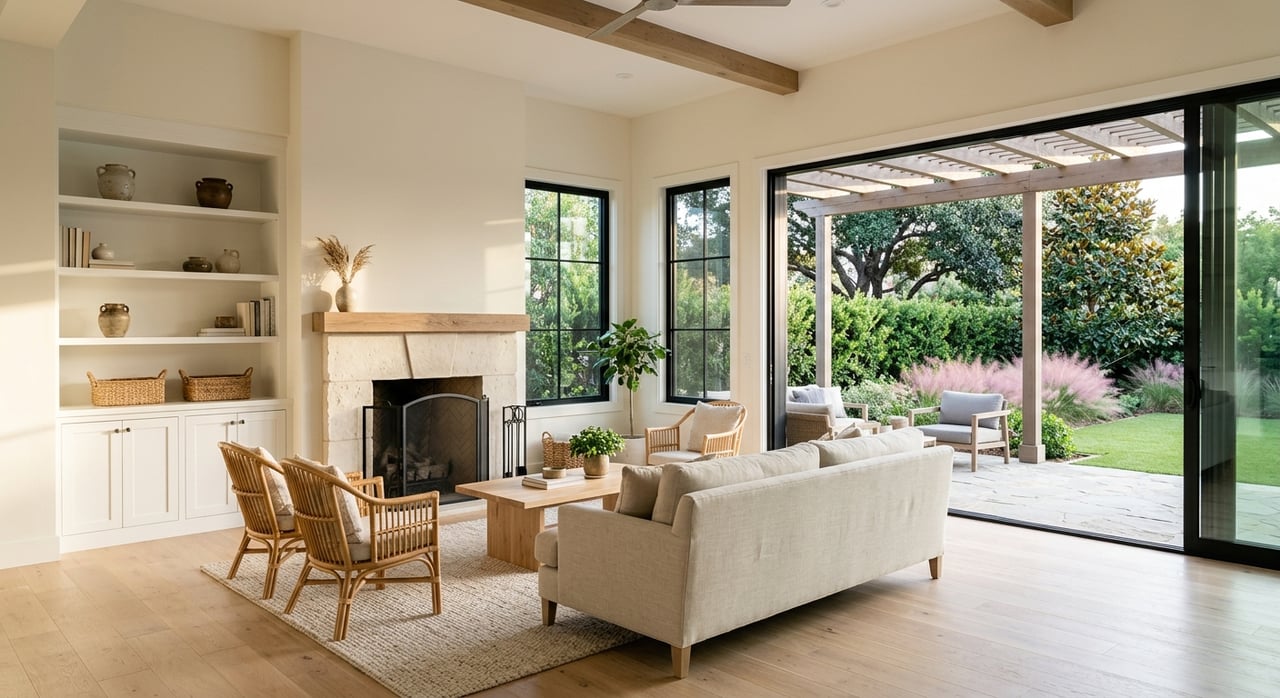
- Decluttering and depersonalizing key spaces
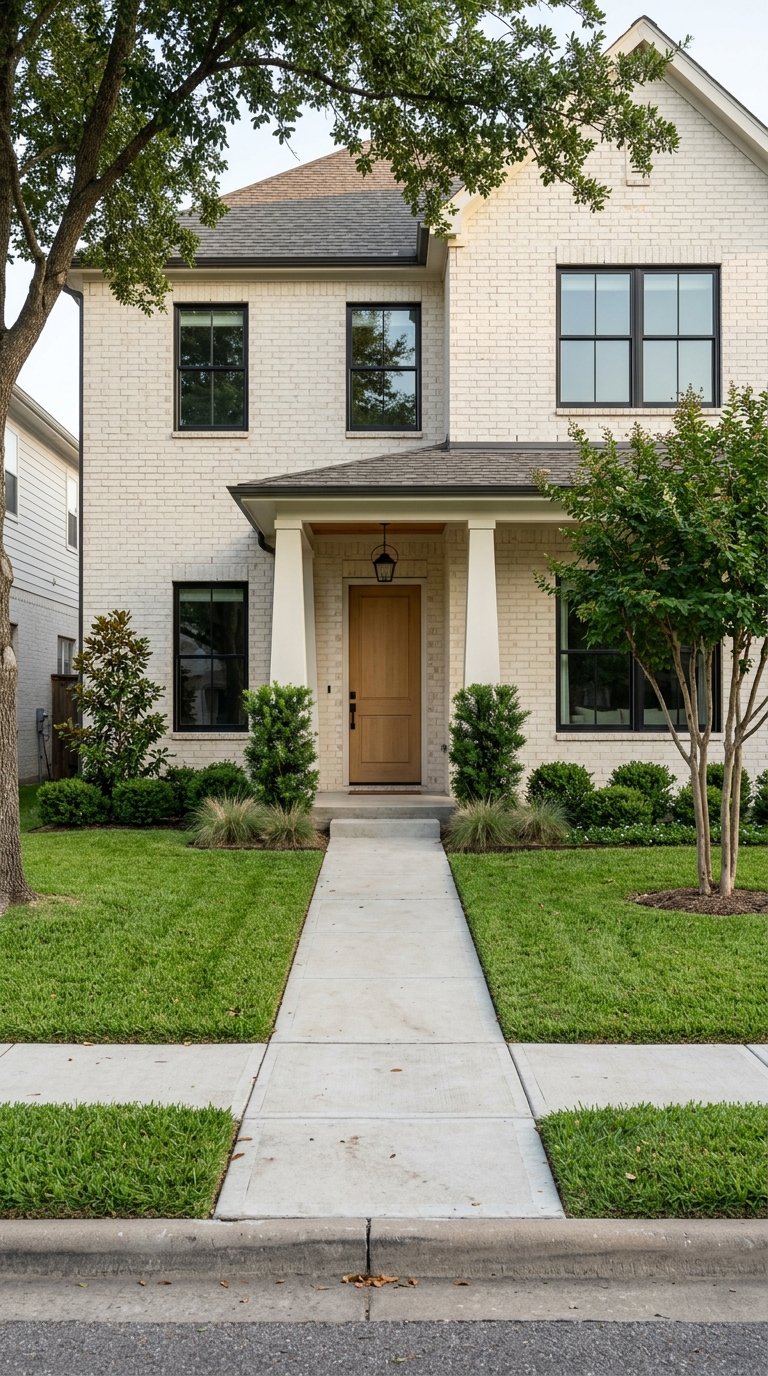
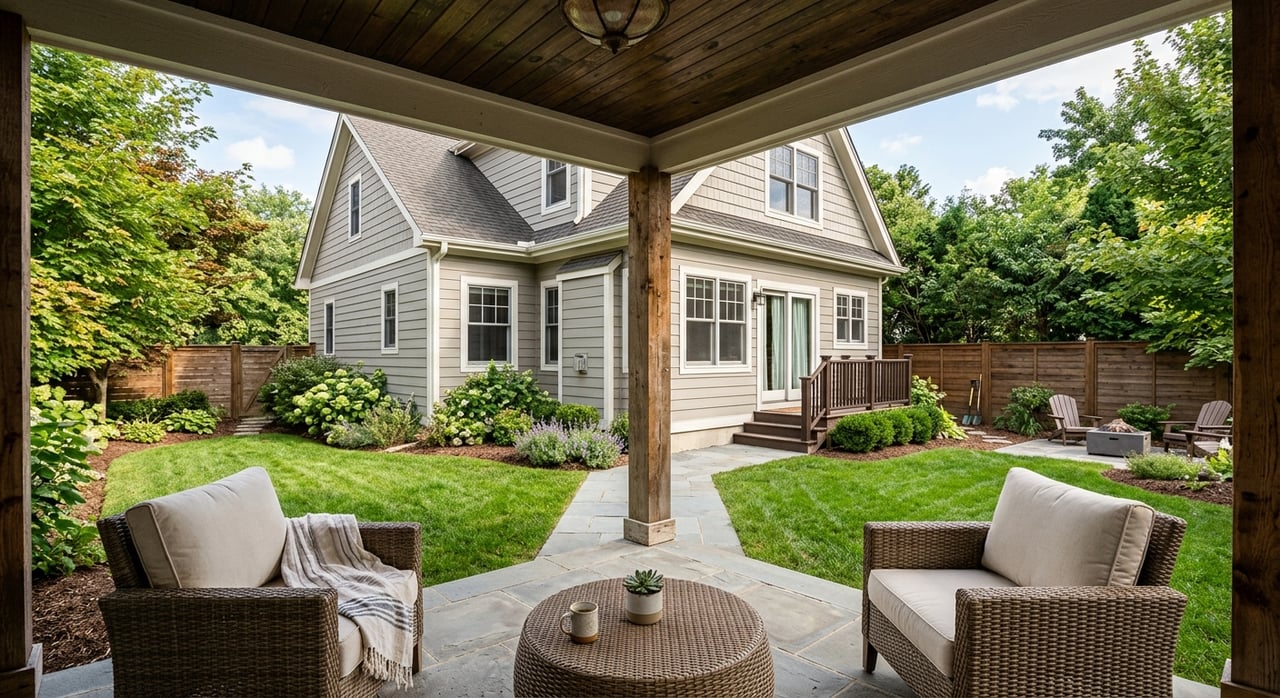
- Landscaping and exterior cleanup for stronger curb appeal
In many cases, simple improvements can help your home photograph better, show better, and compete more effectively against homes that already feel turnkey.
Staging and Photography Matter More Than Ever
Most buyers will form their first impression of your home online, not in person. That means your listing package needs to do more than document the property. It needs to create clarity, interest, and momentum.
According to NAR’s 2025 Profile of Home Staging, 83% of buyers’ agents said staging made it easier for buyers to visualize a future home. The most important rooms to stage were the living room, primary bedroom, and kitchen.
The same report found that buyers’ agents rated photos, physical staging, videos, and virtual tours as important or very important. NAR also reported that 17% of buyers’ agents said staging could increase the offer amount by 1% to 5%.
For Memorial sellers, this is especially important because many buyers compare homes online before deciding which ones are worth touring. Strong visuals can help your listing stand out early, while weak presentation can cause buyers to scroll past a home that might have performed well in person.
Digital Marketing Helps Serious Buyers Find You
Professional visuals are only part of the equation. Once your home is ready for market, it still needs broad and polished exposure.
NAR reported that photos were the most commonly important listing asset for sellers, followed by videos and physical staging. The same report noted a median professional staging spend of $1,500, showing that many sellers see real value in presentation.
Zillow’s research also found that listings with high-resolution photography, virtual tours, and interactive floor plans tend to sell faster and for more money. In a market like Memorial, where buyers may be comparing several homes in the same price band, digital marketing can help your home earn more attention from the start.
This is where professional listing strategy matters. A well-presented home backed by strong photography, virtual tours, and thoughtful online exposure gives buyers a reason to act sooner.
Pricing Still Drives the Outcome
Even in a seller’s market, pricing discipline matters. Memorial West and Memorial Villages are both favorable to sellers, but both areas also show enough inventory that buyers can compare options carefully.
The Houston-wide market reinforces this need for precision. HAR’s February 2026 update showed more homes hitting the market, rising days on market, and stronger performance in the luxury segment than in some lower price bands. That tells you that demand exists, but it is not automatic.
If your list price overshoots the market, the first few weeks can become costly. Buyers tend to respond strongest when a home is new, and that early window is often when pricing either creates momentum or slows it down.
What Memorial Sellers Should Expect Now
So what should you expect if you plan to sell in Memorial today? You should expect a market that can still reward sellers, especially in strong submarkets and higher price points, but only when the home is presented and priced with care.
You should also expect buyers to notice condition quickly. Homes that feel updated, clean, and move-in ready are better positioned to attract interest. Homes that feel dated or overpriced are more likely to sit, compete harder, and need reductions later.
Most of all, you should expect that your exact location within Memorial matters. The best strategy is local, data-driven, and tailored to your home rather than built around broad area averages.
If you are planning to sell within the next year, working with a local expert who understands Memorial micro-markets can help you make the right decisions before your home goes live. When you are ready for personalized pricing guidance, marketing support, or a consultation, connect with Lauren Patton for thoughtful, local guidance tailored to your goals.
FAQs
How long does it take to sell a home in Memorial, Houston?
- In broad Memorial, many homes fall around 40 to 45 days on market, while updated homes in areas like Memorial West may move in about 25 to 32 days depending on price, condition, and strategy.
Is Memorial, Houston a seller’s market right now?
- Yes. Based on HAR data, both Memorial West and Memorial Villages currently read as seller’s markets, though inventory levels and competition vary by submarket.
What updates matter most for Memorial home sellers?
- Buyers are showing strong interest in updated kitchens, remodeled bathrooms, contemporary lighting, and fresh interior paint, along with homes that feel move-in ready overall.
Does staging help Memorial homes sell faster?
- Yes. NAR reports that staging helps buyers visualize the home more easily, and key spaces like the living room, primary bedroom, and kitchen have the biggest impact.
Why is pricing so important for Memorial sellers?
- Pricing matters because buyers compare options closely, and the strongest interest usually comes early in the listing period. If a home is priced too high, it may take longer to sell and could require a reduction later.
Should Memorial sellers rely on overall market averages?
- No. Memorial is made up of multiple submarkets, so sellers should look at recent comparable sales and trends in their specific pocket rather than depending on one broad area average.