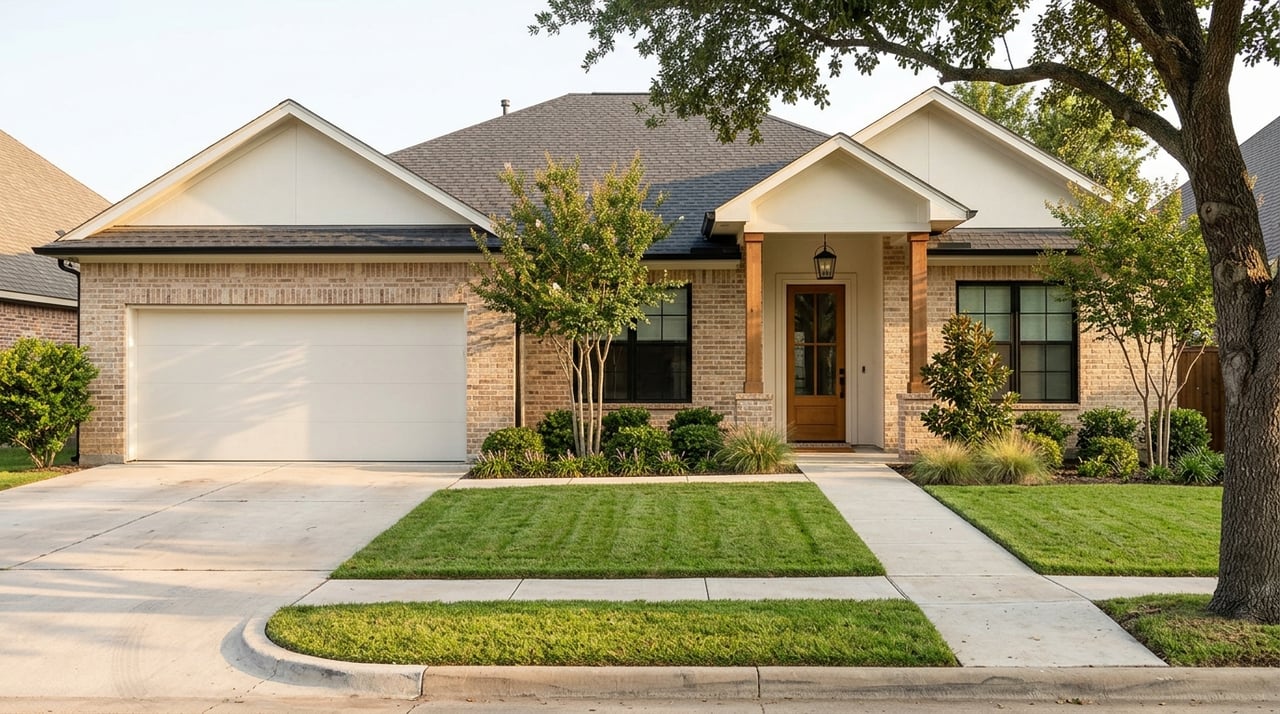
Thinking about trading Central Houston convenience for more space in Katy? You are not alone, and the move can make a lot of sense if you want a larger home, newer construction options, or a neighborhood with more built-in amenities. At the same time, Katy is not one single place, and your day-to-day experience can change a lot depending on the exact address. This guide will help you understand what really changes when you move from Central Houston to Katy, Waller County, or the broader west Houston market. Let’s dive in.
Katy Means More Than One Area
One of the biggest surprises for buyers is that “Katy” often describes a broad market area, not just the City of Katy itself. The City of Katy says it sits in Harris, Waller, and Fort Bend counties, about 30 miles west of Houston. The city also had 21,894 residents in the 2020 Census, which is much smaller than many people picture when they think about Katy.
That matters because your mailing address may say Katy, but the property could be in a different county, outside city limits, or tied to a different utility or tax setup. Katy ISD also covers a wide area of 181 square miles, stretching from Houston’s Energy Corridor to a few miles west of the city. If you are moving from Central Houston, it helps to think of Katy as a region with several different lifestyle and housing choices.
What Changes From Central Houston
Moving to Katy usually means you are choosing space and newer housing over close-in convenience. Many buyers make the move because they want a larger floor plan, a yard, or access to newer master-planned communities. Others want to explore single-family homes after living in a townhouse or condo closer to the center of Houston.
You may also notice a more car-dependent routine. In Central Houston, quick access to work, dining, or entertainment can be part of daily life. In Katy, your home may offer more room and neighborhood amenities, but errands and commutes often require more planning.
Commute Is the Biggest Tradeoff
If you still work in Central Houston, commute time should be one of your first filters. I-10, also known as the Katy Freeway, is the main east-west route, and TxDOT says the Inner Katy segment from Voss Road to I-45 is being studied for managed-lane expansion because it is one of Texas’s most congested roadway segments. That gives you a good sense of how important this corridor is for west-to-east travel.
Houston TranStar’s AM-peak benchmarks show that travel times vary by segment. Eastbound travel from Barker-Cypress to the West Loop averages 20 minutes and 42 seconds, while eastbound from Beltway 8 West to Downtown averages 16 minutes and 56 seconds. Westbound from Downtown back to Barker-Cypress averages 14 minutes and 30 seconds.
These are corridor averages, not a promise for your exact drive. Still, they show why the exact neighborhood you choose matters so much. A home farther west may give you more space or a newer build, but it can also add meaningful time to your weekly routine.
Park & Ride Can Help
If you do not want to drive into town every day, Park & Ride may be worth a closer look. METRO operates west-side Park & Ride routes on I-10, including 221 Kingsland, 222 Grand Parkway, 228 Addicks, 229 Grand Parkway / Kingsland / Addicks, and 298 Katy Freeway / TMC. These routes are designed for trips to Downtown and the Texas Medical Center.
METRO also notes that Park & Ride buses often use HOV express lanes. For some buyers, that makes a Katy move more realistic, especially if you split time between home, the office, and client meetings around Houston.
Housing Options Are Broad
Katy offers a much wider spread of housing than many first-time suburban buyers expect. According to the City of Katy, housing options range from around $200,000 to over $1.5 million. That range includes older resale homes, newer detached homes, and homes in larger master-planned communities.
The broader market also includes attached housing. Redfin tracks single-family homes, townhouses, and condos or co-ops in Katy, which is helpful if you are comparing your current Central Houston lifestyle to what is available farther west. You do not have to assume that moving to Katy always means a large detached home, even though that is a common goal.
What the Katy Market Looks Like Right Now
Current market data points to a more balanced environment than the intense seller-driven conditions buyers saw in past years. Redfin reports a median sale price of about $340,000, median days on market of 54, and a somewhat competitive market. Realtor.com reports a median listing price of $379,000, about 724 homes for sale, and labels the area as a buyer’s market with a 40-day median days-on-market figure.
Those platforms use different methods, so the labels are not identical. The bigger takeaway is that Katy does not appear to be a hyper-scarce market right now. If you are moving from Central Houston, that can give you more room to compare neighborhoods, weigh commute tradeoffs, and focus on the right fit instead of rushing.
A Practical Price Ladder
If you are trying to set expectations, a simple way to think about Katy pricing is by product type and location. Older resale and more entry-level homes can still fall below the mid-$300,000s. Newer homes in master-planned settings often move into the $400,000s, $500,000s, and higher.
Examples in the current market support that range. Azalea in Waller County advertises homes from the mid-$200,000s. Grange in Katy advertises new homes from the high $300,000s into the million-dollar range, and Perry Homes in Grange advertises 60-foot plans from the low $600,000s.
Master-Planned Communities Change the Experience
A big part of Katy’s appeal is the number of amenity-rich communities available to buyers. This is often where the lifestyle shift becomes most obvious. Instead of prioritizing quick access to the Inner Loop, many buyers start prioritizing trails, pools, open space, and neighborhood gathering spots.
Sunterra, for example, is described as a master-planned community north of I-10 and west of the Grand Parkway with a Crystal Lagoons amenity, lakes, parks, playgrounds, an amenity village, and a lazy river. Grange emphasizes trails, ponds, a walkable small-town feel, and a planned commercial core. Azalea highlights a pool, recreation center, and trails in a Waller County setting west of Katy.
For buyers coming from Central Houston, these neighborhood features can be a major upgrade in how you spend evenings and weekends. The tradeoff is that your lifestyle becomes more location-based, with more activity centered around your home community and nearby retail areas.
Waller County Adds Another Layer
If you are looking farther west for value or newer construction, Waller County may come into the conversation quickly. Some communities in that area are still marketed as Katy-area living, even when they are outside the core Katy pattern many buyers first imagine. That can be a great opportunity, but it also means you need to verify details carefully.
For example, Azalea points to Royal ISD, which is an important reminder that a west-of-Katy address does not automatically mean Katy ISD. If schools are part of your search criteria, always confirm the assigned school by property address instead of relying on the community name or marketing language.
Do Not Skip Address-Level Due Diligence
This is one of the most important parts of a move from Central Houston to Katy. In a close-in neighborhood, you may already be used to checking a few basics before writing an offer. In Katy and nearby Waller County areas, address-specific details can affect taxes, utilities, school zoning, and daily expectations.
A smart buyer should confirm:
- The school zone by address using Katy ISD’s address-based lookup
- Whether the home is inside Katy city limits or in a MUD
- Which county tax office handles the property
- The actual commute during the time window you expect to travel
The City of Katy notes that a Katy mailing address does not guarantee the property is inside city limits and provides a MUD lookup. Katy ISD also says Harris County properties are handled by the Harris County Tax Office, while Fort Bend County handles Katy ISD properties in both Fort Bend and Waller Counties. These details may feel small at first, but they can shape your long-term ownership experience.
How To Decide If the Move Fits You
A move to Katy makes the most sense when you are clear on what you want your next chapter to feel like. If your top priorities are square footage, newer homes, neighborhood amenities, and a wider range of suburban options, Katy can offer a strong value story. If your top priority is being minutes from Central Houston destinations every day, the commute may feel like a bigger sacrifice.
The right answer often comes down to your work routine, housing budget, and how much you value space versus proximity. Because Katy is such a broad market, it also helps to compare a few different pockets rather than treating the area as one single choice.
A Smart Way To Start Your Search
If you are serious about moving from Central Houston to Katy, start with your non-negotiables. Decide how much commute time you can realistically accept, what type of home you want, and whether you prefer resale or new construction. Then narrow your search based on the exact address details that matter most.
That kind of plan can save you time and help you avoid common relocation mistakes. It also gives you a clearer way to compare communities in Katy, Waller County, and nearby west Houston areas that may all show up in the same search.
If you are weighing a move and want local, practical guidance on how Katy compares with your current Houston lifestyle, Lauren Patton can help you sort through neighborhoods, commute tradeoffs, and home options with a strategy that fits your goals.
FAQs
What does Katy mean for homebuyers moving from Central Houston?
- Katy often refers to a broad west Houston market area, not just the City of Katy, so buyers should verify the exact city, county, school zone, and utility setup for any home they consider.
How long is the commute from Katy to Central Houston?
- Commute times vary by route, segment, and time of day, but Houston TranStar data shows that key I-10 corridor travel times can differ meaningfully depending on where your trip starts and ends.
Is Katy a good place to find a bigger home?
- Katy offers a wide range of housing, from attached options to larger single-family homes, with prices that can start around the low-to-mid $200,000s in some areas and rise well above $1.5 million.
Are all Katy-area homes zoned to Katy ISD?
- No, some west-of-Katy communities marketed as Katy-area living may be zoned differently, so buyers should confirm school assignment by property address.
Why should buyers check if a Katy home is in a MUD?
- Whether a property is inside city limits or in a MUD can affect how certain local services and district-related details apply to that address.
What should buyers verify before moving to Katy from Central Houston?
- Buyers should confirm the school zone, city limits or MUD status, county tax office, and real commute time for the specific address they are considering.