If your current house feels bigger than your lifestyle, you are not alone. Many homeowners in nearby Houston suburbs reach a point where they want less upkeep, fewer stairs, and easier access to daily essentials without giving up comfort. If Memorial is on your radar, this guide will help you understand what downsizing can look like, what tradeoffs to expect, and how to plan a smooth move. Let’s dive in.
Why Memorial Appeals to Downsizers
Memorial offers a different pace and layout than many suburban communities. The City of Houston describes Memorial as a west Houston area between Buffalo Bayou and I-10, with residential development dating back to the 1950s and housing that ranges from more modest homes to high-value estates.
For many downsizers, the draw is convenience. The same city source notes Memorial’s connection to major destinations along the I-10 corridor, including Memorial City, CityCentre, Town & Country, and the Energy Corridor. That means you can often trade longer suburban drives for closer access to shopping, offices, dining, and medical services.
Amenities also play a big role. Memorial City’s district overview highlights 3.2 million square feet of Class A office space, the 1.7 million-square-foot Memorial City Mall, Memorial Hermann Memorial City Medical Center, hotels, and garden and high-rise residential options. If you also want outdoor access, Memorial Park adds another layer of appeal, with a major green space nearby and 30-plus miles of trails described by Memorial Park Conservancy.
What Downsizing in Memorial Can Mean
Downsizing does not always mean moving into a tiny condo. In Memorial, it often means choosing a home that better matches how you live now.
For some homeowners, that means prioritizing one-story living. For others, it means reducing exterior maintenance or moving closer to the places they use most often. The right fit depends on how much space you still want, how involved you want to be in home upkeep, and how important lock-and-leave convenience is to you.
A move from the suburbs into Memorial is often less about square footage alone and more about simplifying daily life. You may want fewer unused rooms, less yard work, and a location that keeps errands, appointments, and recreation more accessible.
Home Types to Consider in Memorial
One-story detached homes
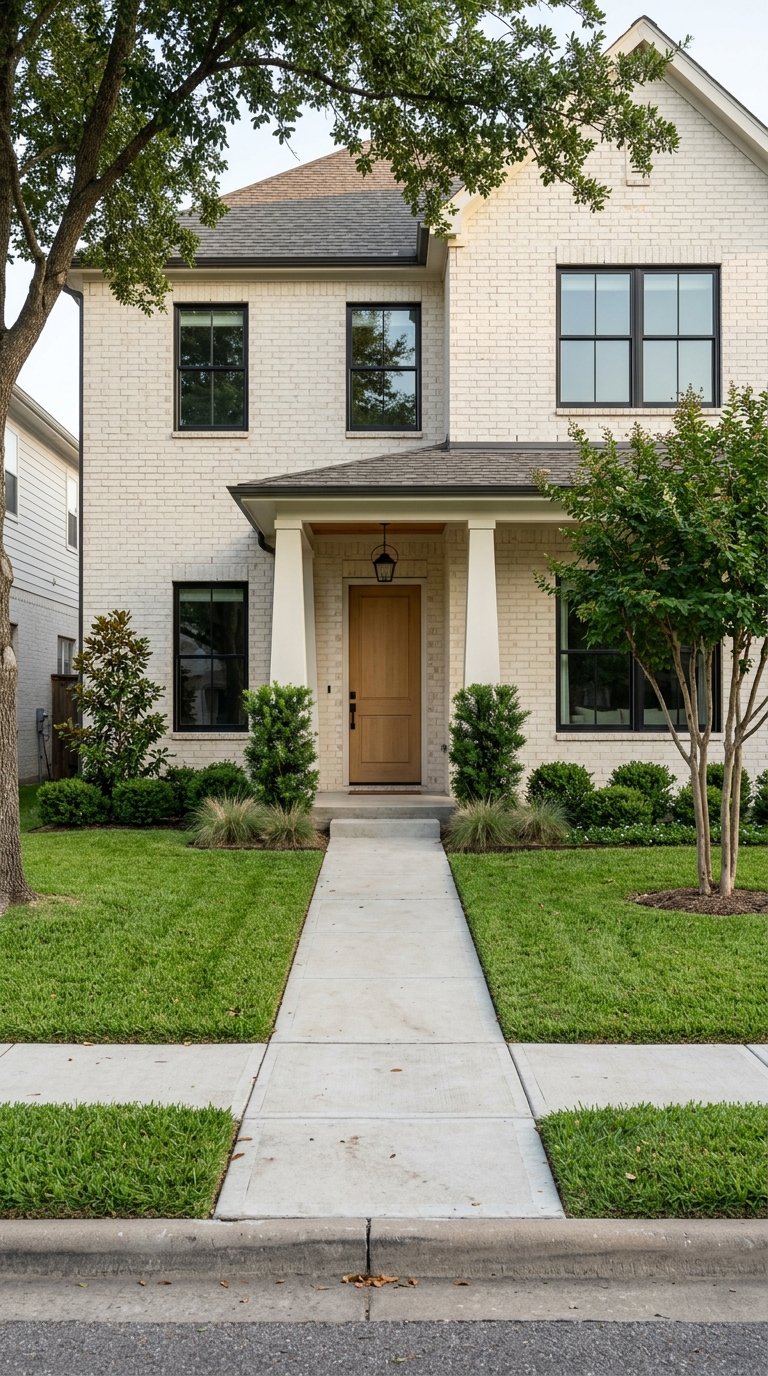
If you still want privacy and the feel of a standalone home, one-story detached properties remain part of the Memorial mix. A sold example at 10314 Memorial Drive was a 1-story, 3-bedroom, 3-bath home with 2,369 square feet on a 17,250-square-foot lot.
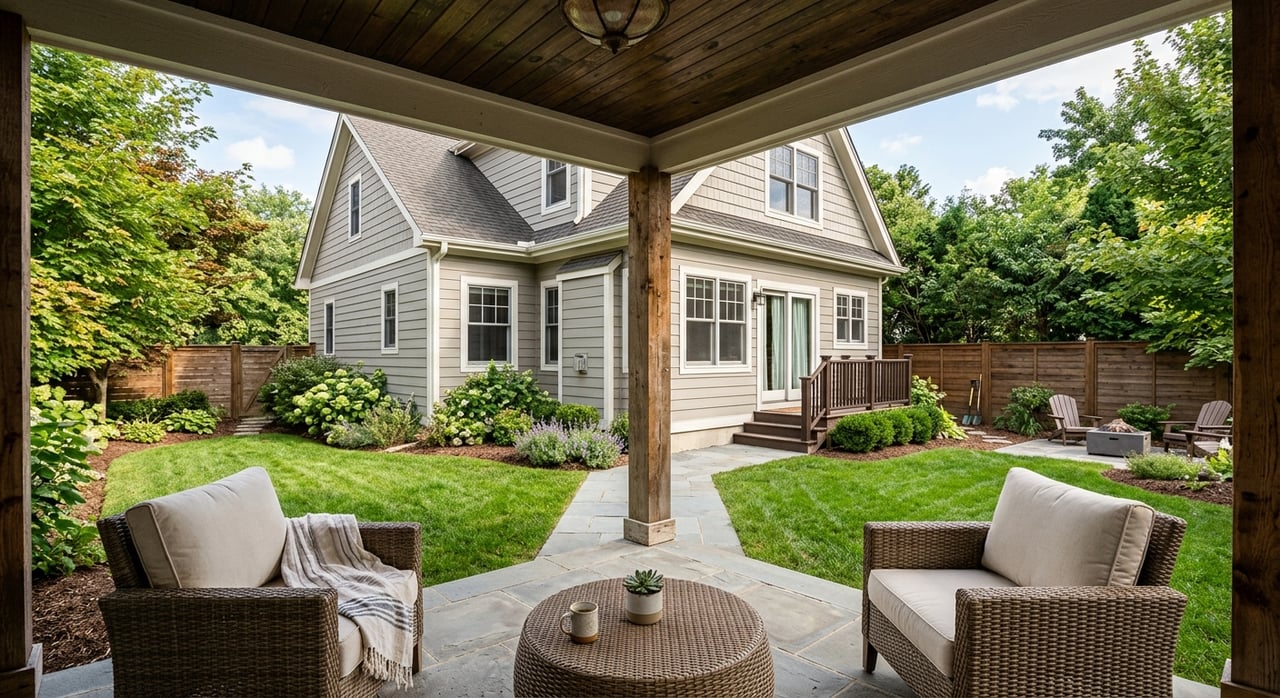
That example shows an important point: downsizing does not always require giving up detached living. You may be able to reduce stairs and simplify your layout while still keeping a yard, garage, and more separation from neighbors than an attached property can offer.
The tradeoff is that detached homes usually still come with more personal maintenance responsibility. Even if the footprint is more manageable than your current suburban house, you will likely still need to budget for landscaping, repairs, and updates over time.
Townhomes
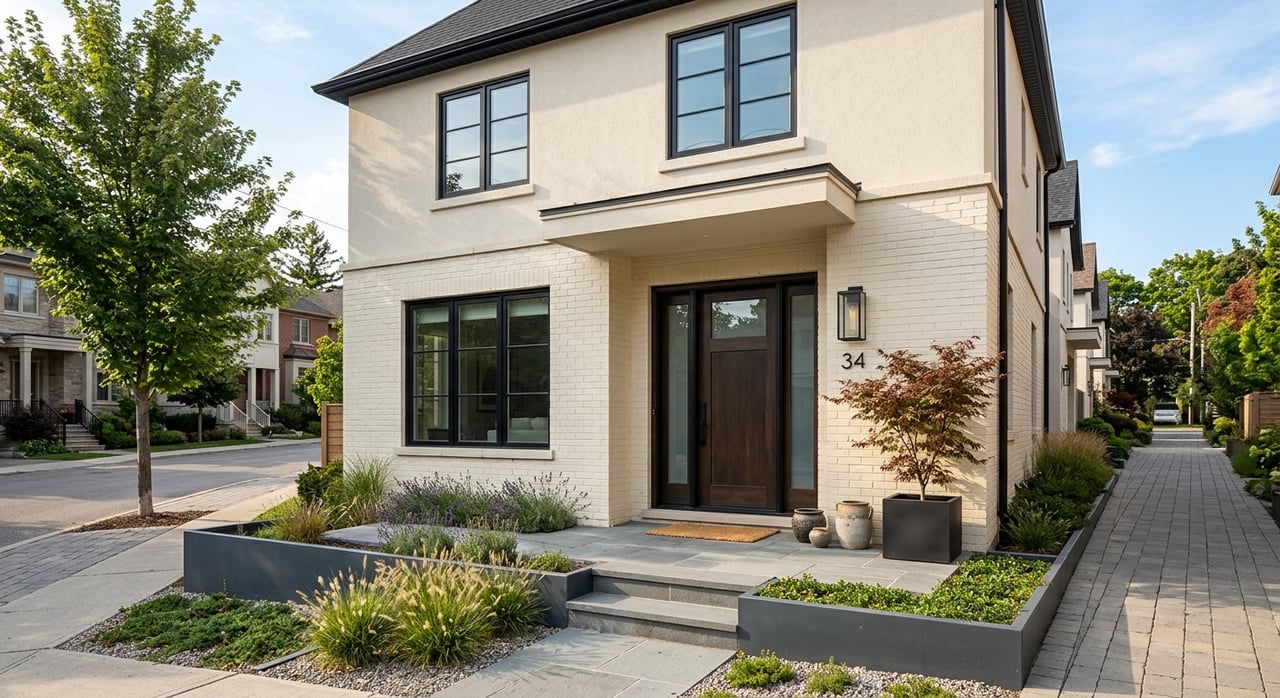
Townhomes are often the clearest middle option for suburban homeowners moving into Memorial. They can offer more space than a condo while shifting some exterior and community upkeep into a monthly fee structure.
One sold townhome example in Memorial Village Townhomes had 2 bedrooms, 2.5 baths, 1,508 square feet, and a $391 monthly maintenance fee. Another had 3 bedrooms, 2.5 baths, 2,684 square feet, with a $450 monthly fee. Those fees covered shared features such as grounds, exterior building care, limited-access gates, clubhouse access, and recreational facilities.
For many downsizers, this setup feels like a practical compromise. You may give up some yard space, but you gain a more predictable maintenance structure and a home that can still feel spacious enough for guests, hobbies, or a home office.
Mid-rise condos
If your top priority is convenience, a condo may be worth a closer look. Memorial has condo options, though inventory is more limited than detached housing.
A sold example at The Memorial on Memorial Drive was a 2-bedroom, 2-bath unit with 2,306 square feet in a 4-story, 63-unit building with on-site management. It carried a $1,637 monthly maintenance fee that covered items including exterior building care, grounds, limited-access gates, recreational facilities, water, and sewer.
According to HAR’s Memorial condo market page referenced in the research, the 2025 median market value for Memorial condos is $431,329, with a median year built of 1981. For buyers who want a more lock-and-leave lifestyle, a condo can reduce many hands-on responsibilities, though the monthly ownership cost can look very different from a detached home.
The Main Tradeoff: Land vs Convenience
This is usually the heart of the downsizing decision in Memorial. In simple terms, you are often choosing between more land and more upkeep or less land and more convenience.
HAR’s 2025 facts for Memorial Bend show a representative single-family submarket with a median market value of $1,005,160, median size of 2,992 square feet, median lot size of 9,375 square feet, and median year built of 1963. By contrast, the research report notes Memorial condos at a median market value of about $431,329.
That does not mean one option is better than the other. It means your decision should reflect how you want to live. If you still value private outdoor space and a traditional house layout, you may lean toward a detached home. If you want easier travel, fewer chores, and more shared maintenance, a townhome or condo may better fit your next chapter.
Budget Beyond the Price Tag
A lower-maintenance home does not mean maintenance disappears. It just changes form.
The National Association of REALTORS® buyer preparation guide says lenders and insurance companies generally recommend setting aside 1% to 4% of a home’s value each year for maintenance and repairs. That guidance matters whether you buy a detached house, townhome, or condo.
In Memorial, your total carrying cost may include:
- Mortgage payment, if financed
- Property taxes
- Homeowners insurance
- Utilities
- HOA or condo fees, if applicable
- Ongoing repair and update reserves
This is why comparing homes based only on list price can be misleading. A detached one-story home may have no large monthly association fee, but you may take on more direct exterior and system maintenance. A condo may reduce those responsibilities, but the monthly fee can be substantial.
How to Plan a Sell-Then-Buy Move
For many downsizers coming from nearby suburbs, the biggest question is timing. Do you sell first, buy first, or try to line both up at once?
The NAR 2025 Profile of Home Buyers and Sellers says 54% of repeat buyers used proceeds from a previous home sale to help finance their next purchase. The same report notes that 91% of sellers used an agent and 88% of buyers purchased through an agent or broker, which shows how common professional guidance is when both sides of the move need to work together.
A coordinated plan matters even more in Memorial because different property types can move at different speeds. A condo, townhome, and detached home may not attract the same buyer pool or follow the same timeline. Your sale strategy and purchase strategy should work together, not compete with each other.
Start with your net proceeds
Before you shop seriously, it helps to understand what your current home may contribute to the next purchase. That means looking at likely sale price, expected selling costs, and how much equity you may have available.
This step gives you a more realistic buying range and helps you decide whether a cash-heavy move, financing, or a contingency-based plan makes the most sense.
Get prequalified early
NAR recommends getting prequalified early and being ready to move quickly, especially in lower-inventory markets. Even if you expect to rely on sale proceeds, prequalification can clarify your options and improve your confidence when the right property appears.
For downsizers, this step is also useful because it helps you compare scenarios. You can weigh a detached home against a townhome or condo with a clearer view of monthly cost, reserves, and flexibility.
Use contingencies carefully
If you need your current home to sell before you can close on the next one, contingencies may help bridge the gap. NAR’s consumer guide to real estate contract contingencies explains that home-sale and home-close contingencies should have clear written timelines.
That same guide notes that sellers may continue showing a property while the contingency is pending. If the contingency is not met and both parties act in good faith, the contract can typically be canceled without penalty.
Consider a short leaseback if needed
If your sale closes before your next home is ready, a leaseback may help create breathing room. NAR advises that leasebacks should be put in writing, insurance details should be addressed carefully, and lender approval should be confirmed.
The same guidance notes that many lenders will not allow leasebacks longer than 60 days. For downsizers trying to avoid a rushed move, that detail can make timing and negotiation especially important.
Questions to Ask Before You Move
Before you leave the suburbs for Memorial, ask yourself a few practical questions:
- Do you want to eliminate stairs, reduce yard work, or both?
- How much square footage do you actually use today?
- Are you comfortable trading lot size for location and convenience?
- Would a monthly HOA or condo fee simplify your life, or feel restrictive?
- Do you want a home that is easy to lock and leave for travel?
- Will you need guest space, office space, or storage for hobbies?
Clear answers can keep you from buying a home that is smaller, but not truly easier. A successful downsizing move should support your lifestyle, not just reduce your address footprint.
A Thoughtful Memorial Move
Downsizing to Memorial from a nearby Houston suburb can be a smart move if your priorities have changed. You may be able to trade excess space and upkeep for a more manageable home, better access to major Houston destinations, and a lifestyle that feels easier day to day.
The key is matching the home type to your goals, your budget, and your timeline. Whether you are considering a one-story detached home, a townhome, or a condo, a well-planned move can help you simplify without feeling like you are settling.
If you are weighing your options, Lauren Patton can help you evaluate your current home, compare Memorial property types, and build a plan that makes your next move feel clear and manageable.
FAQs
What counts as Memorial in Houston?
- The City of Houston places Memorial between Buffalo Bayou and I-10 and connects it to nearby destinations such as Memorial City, CityCentre, Town & Country, and the Energy Corridor.
Are there low-maintenance homes in Memorial for downsizers?
- Yes. Memorial includes townhomes and condos, and research examples show attached homes with maintenance fees that can cover items like exterior care, grounds, gates, and recreational facilities.
Will you lose yard space when downsizing to Memorial?
- Often, yes, especially if you choose a townhome or condo. The tradeoff is usually less exterior upkeep and closer access to shopping, medical services, and other Memorial-area amenities.
Should you sell your suburban home before buying in Memorial?
- Many repeat buyers use proceeds from their current home sale to help fund the next purchase, so a coordinated sell-then-buy plan is common. Contingencies or a short leaseback may help when timing is tight.
Are one-story homes available in Memorial?
- Yes. The research report includes sold examples of one-story detached homes in Memorial, showing that you may be able to reduce stairs without giving up detached living entirely.